Wednesday, October 31, 2012

A PASSAGE TO COLONIAL INDIA - THE HINDU 2ND JUNE 2011

THE HINDU Metroplus  Life & Style

June 2, 2011

 A passage to colonial India – Flavours from the Past


Bridget White-Kumar takes Mini Anthikad-Chhibber through the delicately spiced pages of history into a world of memsahibs, cucumber sandwiches, kedgeree and khansama

Stepping into Bridget White-Kumar's house just off the busy Koramangala Ring Road is to step into another world altogether. There are the flowering trees, plants, shrubs, lovebirds all flourishing in a riotous symmetry. The old world charm of the house with its glass showcases, the colourful aquarium with its plump, brilliantly-hued fish is an echo of Bridget's life-long project of preserving the Anglo-Indian legacy through its cuisine.
Having written seven recipe books including the latest, “Vegetarian Delicacies” and a book on Kolar Gold Fields, where she was born — “Kolar Gold Fields – Down Memory Lane – Paeans to lost Glory,” Bridget is doing her bit to see that a way of life does not pass off into the dusty pages of history.

“It all started when my daughter  was going to England to study,” says Bridget with a smile. “I wrote her a small recipe book. The original little black book! There were recipes for regular cooking like rice, curries and snacks. When Kusum returned, she said all her friends had enjoyed the food. That Easter, while we were eating the traditional Easter lunch, my daughter said these recipes would die out unless they were recorded.
That got me thinking and I set about collecting recipes.”

Collating recipes handed down from her mother and grandmother, Bridget soon had a wealth of information about Anglo-Indian recipes. “I sent the manuscript around and Roli Books showed interest. But it was all taking too much time. I decided to pick out the most famous Anglo-Indian dishes and publish it myself.”

And that is how “The Best of Anglo-Indian Cuisine – A Legacy” was born. “I tempted readers with the picture of classic Anglo Indian dishes — coconut rice, devil chutney and ball curry, on the cover,” Bridget says with a laugh. The book was a super success. The other books followed including “Flavours of the Past” with colonial favourites such as Railway mutton curry, Dak Bungalow Curry, etc

After her graduation in Kolar, Bridget came to Bangalore to do her B.Ed, which is where she met her husband. “He was my first cooking instructor! He taught me to strain rice. I asked my mother and mother-in-law for recipes. “Since my husband is from Guntur in Andhra Pradesh, known for its fiery cooking, and I am Anglo-Indian, my cooking was a fusion of the two. I started off with simple dishes and then graduated to more complicated recipes. My first big success was the biryani, which was not too bland nor was it too spicy or too rich. I realised ethnic cooking is dying out and needs to be preserved.”

About the legacy of Anglo-Indian food, Bridget says: “Roasts, stews, bakes, sandwiches and white bread, fish and chips, cutlets, croquettes, sausages, bacon, ham, egg variants, puddings, custards, became part of the Anglo-Indian culinary repertoire. The Sunday English breakfast of eggs, bacon and kippers, toast, cheese, butter, jams, and English roast dinners complete with steamed vegetables, roast potatoes, Yorkshire pudding and gravy, English sausages, colloquially known as bangers with mash, became very common in Anglo-Indian homes.”

Anglo-Indian cuisine has a strong Scottish influence too. “The bread pudding, treacle pudding, mince and tatties, steak and kidney pie and of course kedgeree (kichdi) are a result of the cross pollination between cultures.” Anglo-Indian food should not be looked at as a homogenous entity, Bridget says. “The recipes are an amalgamation of the tastes and spices of the region. So the Anglo-Indian cuisine from Bengal will have more sea food and mustard oil while the cuisine from landlocked Kolar would feature more meat.”

Bridget took VRS from Canara Bank after working for 23 years. She says she is busier than before. She started a blog on KGF “four to five years ago. Every time I visited, I saw the deterioration. I felt the nostalgia and the need to preserve the story of KGF for coming generations”. That is how “Kolar Gold Fields – Down Memory Lane – Paeans to lost Glory” was born. An easy read, the book effortlessly brings to life the world of dances, food and hard work.

As I look through Bridget's collection of recipes, written by her mum and grandmother on little pieces of paper and also flip through this rare, old book, “Original Madras Cookery” published in 1874 written by an anonymous British Resident's wife I am transported to a world of khansamas, mulligatawny soup, bone china tea services and delicately-sliced cucumber and chutney sandwiches. At my back I can hear the insistent hum of Koramangala traffic as it speeds down our very own information highway. It is however nice to sometimes take a break and indulge in some heavy duty Raj nostalgia.

Bridget can be contacted by email bridgetkumar@yahoo.com

MINI ANTHIKAD-CHHIBBER

Friday, October 19, 2012

NANDYDROOG CLUB, KGF - MEMORIES

The Nandydroog Club was quite simple in its architecture and design unlike the KGF Club. However, the Tennis and Badminton Courts were very well maintained and Manickam the Marker always kept the Courts in pristine condition. He spent many hours doing the markings and ensuring the whole court was swept clean.

However, as with all the well loved and fondly remembered landmarks of our younger days in KGF, The Nandydroog Club is now closed and the Tennis and Badminton Courts are unused. There is an eerie silence around the place. The thud of the Tennis Balls are heard no more and Manickam the Marker and Shankar the Bar man died a long time ago.

Our house was just opposite the Nandydroog Club and the Skating Rink. Since my dad was a member of the Nandydroog Club, we were also allowed to make use of their facilities for tennis, badminton, Billiards, Snookers, cards, caroms etc. During the school term we were busy with our school work etc so we didn’t have time to avail of these facilities. However, during the school vocations, weekends and holidays we would play badminton and squash at the club, and also attend the Housie and Bingo Sessions.


The Bingo and Housie Sessions at the Nandydroog Club were such fun. Each of us would get our own Bingo cards which were priced at Two Rupees a card. One of the members would call out the Bingo Numbers and we had to be very quiet and attentive as the numbers were being called out so as to strike out those numbers on our cards.

I still remember the rhyming words used while calling out the numbers – Kelly’s Eye No 1, What Babies do No 2, All by itself No 3, Knock on the door No 4, Punjab Mail No 5, Pick up sticks No 6, lucky No 7, One fat major No 8, Doctors Orders No 9, Downing Street No 10, and so on. It was quite exciting waiting to win. The prizes were for each line, Full house, Jaldhi Five or Quick Five, Bamboo, Kings corner, Queen’s corner and the Jackpot. The Prizes were small gifts or small amounts of cash.

The Club also organized functions on Independence Day and Republic Day. There would be a Flag Hoisting function followed by a cultural programme and light refreshments. We would attend these functions and also take active part in the cultural programmes. On Republic day a Sports programme for the children was always held, and we won many prizes in various events.

The Billiards and Snooker Tables were the constantly in use by the members. Whist Drives, card Sessions and Ladies Meets were also regularly organized. The Bar was well stocked with the choicest foreign and Indian Liquors, Beers, and Soft Drinks. The club boys were kept on their toes by Shankar the Barman who was a strict disciplinarian.

The Nandydroog Club Canteen sold mouth watering snacks like fried groundnuts, fried green peas, chips, fries, sandwiches etc, It also stocked Jams, Cheese, Sandwich spreads, tinned fish, Cream Crackers, Biscuits, etc., and soft drinks like lemonade, ginger beer and orangeade.

These soft drinks were specially made in the Soda factory owned by the mines. The Ginger Beer, Lemonade and Pittalo were delicious. The Soda factory was situated beside the Rescue station and the Swimming Bath just behind our house. It was very easy to order and buy crates of these soft drinks if there was a party at home. Sadly the Soda factory too was shut when the mines closed down.

The Nandydroog Club is now closed and the Tennis and Badminton Courts are unused. There is an eerie silence around the place. The thud of the Tennis Balls are heard no more and Manickam the Marker and Shankar the Bar man died a long time ago.

Tuesday, October 9, 2012

KGF's VERY OWN LITTLE ENGAND - THE KGF CLUB

This is is an extract from my book KOLAR GOLD FIELDS DOWN MEMORY LANE that was published in the Deccan Herald, Bangalore on 25th September 2012

www.deccanherald.com 

KGF’s very own Little England - DOWN MEMORY LANEBridget Kumar , Sept 25, 2012

In 1885, the British Mining Company of John Taylor and Sons established the first club in Kolar Gold Fields and named it the KGF Gymkhana Club. Bridget Kumar charts the history of the club. Among its members was T P Kailasam, one of the greatest Kannada playwrights.
By the end of the 19th century, a sprawling British township was in place in Kolar Gold Fields and it came to be known as ‘Little England’ due to its British and Anglo-Indian population and its colonial ambience.
Being a British mining colony, the social life of people at KGF was greatly influenced by British culture. The region saw the establishment of quite a few Associations towards the middle of the 1800s, such as the Kolar Gold Fields Choral and Dramatic Society which organised plays and choral functions, The Royal Army Temperance Association, The Trades list, etc. These Institutes catered to the social and cultural needs of the local British and European population. 

However, the need for recreational and sports facilities and clubs was greatly felt. In 1885, the British Mining Company of John Taylor and Sons established the first club in Kolar Gold Fields and named it the KGF Gymkhana Club. They built a 12-hole golf course and a beautiful Victorian Club House. This club was the first of its kind to be established in KGF and is ranked as the fourth oldest golf club in India.

 It had its own polo, golf and hockey teams. The club was and still is affiliated to Indian Golf Union and is also affiliated to all the major clubs in India. The club house was equipped with a traditional bar, library, snooker and billiard rooms, tennis courts, shuttle badminton courts and a ballroom with a wooden floor – all built and completed in a period of just six months since the company had vast man power and resources to complete the project in record time.


The foyer of the club was decorated with many deer and bison heads on its walls, as mementos of hunting spoils by the members. The club was surrounded by a beautiful garden with well-maintained sprawling lawns and flower beds. The serene surroundings of the club, with the golf course on the side looked like a picture from the English countryside.

Unique golf course
Because of the hilly terrain of KGF, the 12-hole golf course was located in a winding picturesque landscape with bungalows and villas along its course. Unlike other golf courses which have putting greens, the KGF Golf Club had no putting greens. Instead it had ‘browns’ constructed of river sand in place of greens. The golf course had a number of natural canals cutting across the fairways lined by huge trees planted when the club was established and gave it the setting of a British country side.

The club house


The KGF Club House has a regal colonial ambience. The old club house that is now more than a century old, was built of stone quarried from the area itself, with beautiful teak wood doors and windows. It also had a teak wood floor and the floor was always polished.The door handles, hinges and knobs and other fittings for the Club House were brought specially from England by the John Taylor and Sons Company, when the club was constructed. The solid brass door handles and hinges shone like gold all the time with constant polishing. The sterling silver cutlery and the beautiful crockery with the club’s emblem were also specially ordered and brought from Sheffield in the UK.

The KGF Club also had the distinction of having an exclusive ‘ladies bar’ just off the main lounge, where the ladies enjoyed their pims and sodas, gin and lime or vodka and orange juice, whiskey and soda, etc while catching up with the latest news and exchanging gossip.

The ladies lounge also had a huge grand piano and the ladies invariably gathered around it singing all the old songs and ballads while one of them played the piano. The gentlemen had their own bar to enjoy their evening drinks, and the ladies were strictly prohibited from entering it.

The KGF Club was famous for its English and colonial food in the old days. Mulligatawny soup, roast lamb with steamed vegetables, mashed potatoes, club sandwiches, cucumber sandwiches and caramel pudding were the main items on its menu.

In those early days, getting membership in the KGF Gymkhana Club was practically impossible if one was not British or European and was totally out of bounds for Indians. Only the British and European officers could become members. Even Anglo-Indian officers of the Company were refused membership to the KGF Club. 
T P Kailasam, an exception
However, in the 1930s, an exception was made in the case of a young Indian, a Tamil geologist who returned to Kolar Gold Fields after his studies in Ireland. His name was T P Kailasam (one of Kannada literature’s greatest playwrights), the son of one of the old timers in KGF. He charmed the British with his wit and impromptu singing and ball room dancing that he picked up in Ireland.

It was only because he was a “foreign returned” Indian who according to the British, knew his manners and etiquette, that he was given the ‘honour’ of becoming a member of the Club. No other Indian was allowed these liberties in the club. 

However, in the 1940s, things began to change and the management realised that they had to change the rules to some extent. They made an exception that only Indian covenanted officers would be allowed membership of KGF Club. This trend continued even after the mines were nationalised and the British left KGF.
Over the years with most of the old members retiring from the mines and the eventual closure of the mines a few years ago, the KGF Club now allows membership to persons from outside KGF as well.

Tale of the iron bucket

The foyer of the club has many deer and bison heads on its walls. There are also a number of framed photographs of all the old superintendents and chairmen of the mines starting with John Taylor in the lounge of the club. Besides these there are a lot of other photographs as well.

One particular faded sepia print of smiling Britishers standing around an iron bucket on one of the walls of the lounge draws one’s attention. The old barman, Susairaj, was often willing to share the story behind this photograph to anyone who was interested in listening even if it meant repeating the story any number of times.
According to Susairaj’s story, when the KGF Golf Club came into existence, and a new club house was built, and the 12-hole golf course was laid, the club hosted the First KGF Gymkhana Golf Tournament.
However the organisers forgot to arrange for a suitable trophy for the first tournament. It was quite an embarrassing moment when it was time to award the winner and there was no trophy to be given. The organisers had to just improvise by making use of an old cast-iron bucket with the words ‘The Cup’ painted on it. The old sepia picture on the foyer wall is of the winning team posing with the trophy of the very first tournament.

The KGF Club still maintains its gymkhana status even today and is affiliated to the Indian Golf Union and to all the major clubs in India. Like the rest of KGF, there are visible signs of deterioration in this once prestigious club. 

The mounted antlers and horns still adorn the foyer of the club. However, the beautiful garden surrounding the club has disappeared, the grand piano in the erstwhile ‘ladies bar’ now lies unused and is in need of repair. The brass door knobs and handles no longer shine, the beautiful crockery and cutlery with the club’s monogram have all disappeared.

The club still has almost 600 members on its rolls. The members still enjoy their rounds of golf and visit the club for a game of billiards and snooker and enjoy a drink in the bar.They still conduct many golf tournamentsas well

Mr Patrick Taylor, The great grand son of Mr John Taylor the founder of the John Taylor and Sons Company visited KGF after reading my book KOLAR GOLD FIELDS DOWN MEMORY LANE. I had the pleasure of acompnaying them to KGF on the 8th November 2011.


This is a picture of Mr Patrick Taylor with his wife heather steading before the Photograph of his Great grand father in the bar of the KGF Club


Patrick Taylor with the old bar man Sausairaj and the other Club men. Susairaj regaled Mr Taylor of old memories of his father mr Arthur Taylor the last Chairman of the Mines before it was nationalised by the Government of India.


Mr Patrick Taylor looking at the photographs of his ancestors on the walls of the Conference Room of the KGF Club.

Monday, September 10, 2012

TYPEWRITING AND SHORTHAND INSTITUTES IN KGF - THE END OF AN ERA

There were quite a few Typewriting and Short Hand  Institutes in KGF during the 1970s till the early 1990s.  The Vani Vilas Typewriting Institute, Neo Typewriting Institute, Rao’s Institute, Venkateswara Institute of Commerce, etc. in Robertsonpet and other places in KGF were some of them. These Institutes conducted Typewriting and Short Hand Classes in several batches a day of one hour’s duration and prepared students for careers as secretaries, clerks etc.  One could hear the very distinctive sound of the old Manual typewriters going ‘clackety-clack’ with so many students pounding on the keys at varying speeds throughout the day in these Typewriting Institutes.
 Learning Short Hand and Typing was synonymous with the desire of the middleclass in those times as a means of better job prospects. The Certificates one obtained after appearing for the Government Exams in Shorthand and Typewriting served as a ticket to jobs in the Public Sector and Government undertakings.


I also attended Typewriting and Shorthand Classes at the Neo Commerce Institute in Robertsonpet, as additional qualifications apart from my B A Degree.  I attended these classes in the evenings after returning from College.  The Institute was owned by Mr. Palani, whose son Prakash was our classmate in College. The Instructors and teachers in the Institute were quite good and prepared us for the Junior and Senior Government Examinations in both Typewriting and Shorthand. I still remember my Pitman’s Shorthand and found it of great use all these years.  In fact my having passed the Senior Typewriting and Short Hand Government Examinations was one of the Plus Points on my own Resume along with my BA and B Ed Degrees!!

Sadly these Institutes had to shut down in the last decade due to the onset of the Information Technology Era. The old manual Typewriters died a natural death, once Computers came into existence. While some of these Typewriting Institutes moved with the times and turned into Computer Education Institutes and Internet Cafes or Browsing Centers, some of them had to shut down as they couldn’t afford to invest in Computers and other equipment. Thus another aspect of our earlier lives also came to an end.

Tuesday, September 4, 2012

OORGAUM RAILWAY STATION

KGF was not connected directly to the Railway line connecting Madras and Bangalore. We had to take the local train from KGF to Bangarapet Junction to catch the Madras or Trichy trains. Sometimes we also went to Bangarapet to meet any of our relatives coming in from Madras or Trichy by train or to leave them at the Bangarapet station when it was time for them to go back. These were unexpected outings and we loved traveling by this local train.

Our KGF train in those days had about 10 bogies and was pulled by a Steam Engine.  On the journey from Marikuppam to Bangarapet Junction, (stopping at Champion Reef, Oorgaum, Balaghat  and BEML stations), the train normally took around 35 minutes to reach Bangarapet,  as it was down hill most of the way. It would careen along the tracks rushing past the tunnels and rocks at full speed.

However on the return journey to KGF, the train took about 10 minutes more as it had to huff and puff uphill. The poor old Steam Engine would strain and wheeze up hill like an old man. However, it always managed to conquer the hilly terrain and reach KGF safely without any mishaps or breakdowns on the way.

When we were small children, my dad would tell us that the steam engine was telling itself “I know I can, I will, I must” as it chugged along.  He told us to take the example of this steam engine and say these words “I know I can, I will, I must” whenever we were faced with a difficult situation.

Our house was very close to the Oorgaum Railway station and we frequently used our local train to commute between the various places in KGF such as going to St Sebastian’s Church in Coromandel, to Our Lady of Victories Church in Chanpion Reefs, or to our school for music lessons during the holidays, and sometimes in the evenings to the mining hospital to visit friends who was admitted there etc. We’d get the train at Oorgaum Station and the Station Master would always welcome us with a smile as he knew all of us well.

The canteen on Oorgaum Station sold very appetizing Vadas, Bondas and other snacks which were quite cheap and tasty.  We would munch on these tasty tidbits while waiting for the train. The train tickets too didn’t cost much in those days, just a few annas and it was a convenient and cheap means of traveling for us.

In those days most of the Railway staff were Anglo-Indians. The train driver who I remember the most was Mr. Hall whose daughters Marie and Irene studied with us in St Joseph’s Convent. Uncle Hall would sometimes allow us to ride with him in the Engine and we would get to blow the whistle as we entered Champion reef Station. Our favourite guard was Mr. Tommy Gaughn whose daughter Charmaine also studied with us in the Convent. The railway staff lived in the railway colony in Bangarapet so the Halls and Gaughn children traveled from Bangarapet to school in Champion Reefs by train everyday.

Now whenever we pass Bangarapet station on our way to Madras and back, memories of our childhood trips by the local KGF Train keep crowding back.
 

Tuesday, August 21, 2012

MINE FIRE ON 13TH MAY 1942 - OORGAUM MINE KGF

This is a report on the major fire that broke out on the 13th May 1942 at 17.23 hours in the Stopes north of Bullen Shaft at the 59th level. According to the report 576 men were underground at the time. As per proceedure Eucalyptus was sent down the air mains to warn the men of the danger of the fire. Two British officers Mr Stocken and Mr Goodman went down Bullen Shaft to investigate. The Mining Rescue Station Team under Mr Jeffery arrived in a few minutes and all the workers were evacuated and brought up through Bullen Shaft and Okley Shaft. No loss of lives were reported. Read the whole report below.

Sincere thanks to Mr Pete Symth of the UK for sending me this report which was part of his father's memorabilia of KGF.

Tuesday, August 14, 2012

OUR HOUSE IN NANDYDROOG MINE KGF AND EBRAHIM'S SHOP

This is a picture of our old house in Nandydroog Mine where we lived for more than 25 years. My grand parents lived in the same house for more than 55 years before us. Our house was just opposite the Skating Rink and Nandydroog Club. The house had a beautiful Tiled Roof and a beautiful garden lovingly attended to by my mum and our Malis Ellappa and Muniappa. The beautiful hedge and gardens are no more and just live in our memories. However, the Peepel tree planted by my mum is still standing tall. Unfortunately, the 2 Jack Fruit trees and all the fruit trees are no more. My dad retired from the mines in 1977 and we shifted to Robertsonpet. We left this house with heavy hearts but took with us many beautiful memories.


Adjoining our house were 4 shops - Pansy Tailor's Shop which later became Gopal Tailor's Shop, Basha's Shop also known as Ahmed Shop, a small Eatery or Hotel which had some amazing short eats such as bondas, bajjis, puffs, etc and an a sweet called kajur. The last shop was Ebrahim's or Abhram's Shop. Our childhood revolved around these 4 shops. Sad to see their present condition.


Below is a picture of Pansy Tailor's Shop at the far left with its Trellis still intact but with lots of tiles missing from its roof. Pansy tailor passed on the shop to his assistant Gopal so it later came to known as Gopal Taylor Shop.


Basha's Shop also known as Ahmed Shop is in the middle and is now closed.Basha and his wife have since passed away. His sons Afzal and Amjath live in Bangalore. The tiles are missing from the roof.

The Hotel or Eatery is still there but has changed many managements over the years. They still blast tamil film songs on their old radio. The Bondas, Vadas, Kajurus are still as tasty as they were in our childhood.

Abraham or Ebrahim's shop is at the far right and is still in business.  His shop was full of tasty treats for us when we were kids. Especially remember the pottu kadla, Fried peas, Jignut toffee and kamarkuts.

Ibrahim is now a grand old man of 85 years but still going strong. God bless him.

Wednesday, August 8, 2012

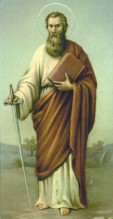
Kolar Gold Fields - NOSTALGIA: St. Paul's Parish in Marikuppam KGF

Kolar Gold Fields - NOSTALGIA: St. Paul's Parish in Marikuppam KGF

St. Paul's Parish in Marikuppam KGF

St. Paul's Parish in Marikuppam KGF

St. Paul's Parish in Marikuppam KGF was established on 15th June 1948. The Diamond Jubilee of St. Paul’s Church was celebrated in 2009 marking 60 fruitful years of pastoral ministry.

The Parish was given to the care of the Precious Blood Missionaries from January 1995. It holds a very important place in the history of the Precious Blood Missionaries in India, as it was the first Mission opened by the Precious Blood Missionaries thus opening the doors to Pastoral activity of the Missionaries.

 St. Paul’s Church Marikuppam has a beautiful Grotto dedicated to Our Lady of Fatima that was inaugurated and blessed on the 13th May 1949.  The grotto and the church were renovated for the Diamond Jubilee celebrations.

St.PaulSt. Paul’s Church is the 4th oldest Roman Catholic Church to be established in KGf under the Archdiocese of Bangalore. Our lady of Victories church (originally St Mary’s Church) was the first Roman Catholic Church to be established in KGF in 1890, St Sebastian’s Church in Coromandel was established in 1899, St Teresa’s Church in Robertsonpet in 1929, and St Paul’s Church in Marikuppam / Mysore Mine was established in 1948. These were some of the oldest Catholic Churches in KGF

Wednesday, July 25, 2012

ST MICHAEL'S AND ALL ANGELS’ CHURCH, OORGAUM , KOLAR GOLD FIELDS.

The St Michael’s and All Angels’ Church, Oorgaum KGF was one of the first Anglican Churches in Kolar Gold Fields. It came into existence when the original church i.e. St Paul's Church shifted to Robertsonpet from Oorgaum.

As per early historical records, one of which are the papers presented by M L Griffith-Jones, a Diocesan Lay Reader at a meeting of the Church of England Men’s Society (CEMS) in 1916, a small Church was erected in the year 1894 at Oorgaum in Kolar Gold Fields (where the Compressor House of Bullen Shaft now stands) The Church had just basic infrastructure and was constructed with Funds collected by the rev W F Penny, who was the Secretary of the INDIAN CHURCH AID ASSOCIATION, LONDON.

The Church was dedicated to St Paul and placed under the control of the S.P.G. The first Chaplain was Rev James Sharp. In those early days, the Church could seat around 60 faithful and the evening services were conducted both in English and Tamil.

In December 1901, The John Taylor and Sons Company, London, sent out Rev. L.Giffard Pollard as the Chaplain of St Paul’s Anglican Church. It was during his tenure that he started the ball rolling for a new Church to be built as the existing church had developed cracks due to the sinking of a new vertical shaft (Bullen Shaft) just next to it. It was subsequently decided to build a new Church for the English speaking congregation, while the Tamil speaking Congregation would continue as members of St Paul’s.

Consequently, THE OORGAUM COMPANY took over the old Church building and land in Oorgaum and paid a handsome compensation for it to the S.P.G. The S.P.G then built a new Church in Robertsonpet or New Town (as it was called in those days) on a piece of land given by the Government out of the compensation amount. This Church continued the old name of St Paul’s Church and catered to the Tamil speaking Anglican Congregation of KGF.

The new Church for the English speaking Congregation was built on a piece of land given by the GOLD FIELD OF MYSORE COMPANY, quite close to the KGF Club and a short distance away from the old St. Paul’s Church.
The Foundation Stone was laid on 8th October 1903. The John Taylor and Sons Company extended much assistance to the building of the new Church. A beautiful brick and stone Church and Parsonage in Victorian Style was ultimately constructed and was named as the “St Michael’s and All Angels’ Church”. The new Church was completed and dedicated on 3rd march 1905. The Altar, Pulpit and Pews were brought from the old church while a new beautifully carved Teak lectern was installed. The Pipe organ which is still in use in this church was brought from Madras in June 1921. St Michael’s and All Angels Church was now strategically located and had a large English Speaking Congregation who worshipped here regularly.

St, Michael’s and All Angels Church was under the administration of the Church of England from 1905 and all the Chaplains of the church were appointed directly by the John Taylor and Sons Company. After India attained independence, the church was brought under the control of the   Church of South India - Diocese of Mysore in 1947.

St Michael’s and All Angels’ Church celebrated its centenary in the year 2005 and is still maintained in the same condition even today. Located in serene surroundings, it is a Haven of Peace and tranquility.

Wednesday, July 18, 2012

OORGAUM HALL AND THE TELEPHONE EXCHANGE AT OORGAUM , KGF


This is a picture of the Telephone Exchange at Oorgaum taken almost 60 years ago. The clock at the side of the building always showed the correct time. This Telephone Exchange was always busy in the good old days with all the wires humming connecting the various departments and offices in the Mines as well as the Bungalows. It is now unused and locked up like the rest of the mining offices.

In the back ground is the OORGAUM HALL.

Towards the end of the 1890’s motion pictures came into existence and it was not long before the John Taylor and Sons Company began bringing in films for screening in KGF. A separate Picture Hall was built in Oorgaum quite close to the KGF Gymkhana Club and named as the Oorgaum Hall to screen only English Movies and Documentaries once or twice a week,

The Oorgaum Hall was just a basic Hall with a large white screen and a hand operated Projector and wooden benches for seating. It was the era of Black and White Silent Pictures initially and the Silent films were replaced by the ‘Talking Pictures’ only in the late 1920s.

Films of various genres were screened at the Oorgaum Hall. Westerns and Cowboy Films, Historical Extravaganzas, melodramas, Biblical Epics, Horror films, Crime and Gangster films, Romances, mysteries, Comedies, etc  were all avidly watched and enjoyed at the Oorgaum Hall.

Saturday, July 14, 2012

ST JOSEPH'S CONVENT, CHAMPION REEFS, K G F

St. Joseph’s Convent, Champion Reefs, K G F was established more than 105 years ago. The school celebrated its centenary year in 2004-.

Let me give you a short history of the origins of the St Joseph's Convent School. Fr. Fraysse, the first Parish Priest of St Mary’s Church, Champion Reefs, invited the Sisters of St Joseph of Tarbes who had established convents and schools in Bangalore and Conoor in the Nilgiris, to open an English school and a Tamil Vernacular School in KGF, to meet the urgent need for education of girls. The Regional Superior of The Order of St Joseph of Tarbes at Bangalore after obtaining the necessary permission and consent of the Superior General in the Mother House in France, deputed four European Nuns and one Indian Nun to take up this mission in Kolar Gold Fields. The Convent community was blessed and inaugurated on the 9th of January 1904.

On January 15th 1904, two separate schools were started by the Sisters of St Joseph of Tarbes. An English School with 22 children and a Tamil School with 7 children, in premises of St Mary’s Church compound in Champion Reefs. Sister Teresa of Jesus was the headmistress of both the schools. The school building was a simple structure with a tin roof. The Bishop of Mysore, sanctioned an amount of Rs. 50.00 each per month as salary to the five Nuns, so long as they were not subsidized by the Company or the Mysore Government!!!

These schools functioned in the premises of St Mary’s Church (which was later to ne renamed as Our Lady of Victories Church )right up to January 1952. However, early in the morning of the 23rd of January 1952, there was a massive Air Blast or Rock Burst which is quite common in the mines. It was such a severe Rock Burst, that St Mary’s Church, the Presbytery, the Convent and the School Buildings all collapsed to the ground. Luckily, no one was injured or no lives were lost. But the buildings were completely destroyed.

Mr. Morgan, The Chief Medical Officer of the Company Hospital, which was near St Mary’s Church, took the Sisters to the Hospital premises and vacated one of the wards to accommodate them for the day. That evening he arranged for their indefinite stay at the Bungalow of the General Manager of the Mines, Mr. Arthur Taylor in Champion Reefs, who was away in England on a holiday as half of his house was vacant.

Even though this bungalow was huge and quite spacious it was insufficient to accommodate the Convent and the school with so many students. So while half of the main house, the garage and servants quarters were made use of for the Convent, the classes were held under the trees and in temporary sheds.
                                                                                                                   
Mr. Arthur Taylor on his return to KGF from the UK shifted to another Bungalow, (near the First grade College and which is now the Mining Office) and later sold this Bungalow to the nuns. It thus became the nun’s living quarters. In course of time, two more floors were added to it, which is still in use today. The school slowly expanded and huge class rooms were built around the nun’s house on the land given to the school by the Company.


Today, the huge buildings and class rooms bear witness to the development of the school through the ages. St Joseph’s Convent also had a Tamil Section School as well as the English medium School. There was also a Private School for the more privileged students. The convent also had an orphanage for abandoned children as well as a home for destitute and abandoned women. These women were employed in various capacities in the school and convent and were looked after well by the nuns.

I was privileged to have studied in St Joseph’s Convent school at Champion Reefs. St.  Joseph’s Convent which established more than 105 years ago. The school celebrated its   centenary year in 2004-05. The Convent school had well equipped Science laboratories. There were separate physics labs, chemistry labs, Botany and Zoology labs. The libraries had a vast collection of reference books, Story books, Novels as well as rare and old manuscripts.

Our schooling years were great thanks to our wonderful teachers. The teachers were all highly qualified and were kind as well as strict. They instilled the basic human values in us that still hold good today. They taught us the importance of hard work, dignity, honesty, integrity and to strive for excellence in whatever we did. They motivated us to rise above the mediocre and strive for bigger things. Many of the old students of St Joseph’s Convent also hold high positions in various parts of the world. They are teachers, doctors, engineers, computer professionals, etc around the world.

Read more about St Joseph's Convent in my book KOLAR GOLD FIELDS DOWN MEMORY LANE

Friday, June 1, 2012

ENGLISH WAREHOUSE, SPENCERS AND CRESWELLS - THE THREE BIG STORES IN KGF


THE ENGLISH WARE HOUSE, SPENCERS AND CRESWELLS
(An excerpt from my book KOLAR GOLD FIELDS DOWN MEMORY LANE )

Due to the British and Anglo-Indian population in KGF, a lot of goods were imported from England and sold through The English Ware House, Creswells, Spencers Stores, etc,  who had outlets in KGF.
These three stores were situated within a half a kilometer radius in Champion Reefs. The largest of the three stores was the English Ware House situated just opposite Our Lady of Victories Church. The elegant  Spencer’s Store was situated just opposite the Mining Hospital and Creswells was situated a little further down the road leading to Edgar’s Shaft in Marikuppam. 
Every possible ingredient or product was available in these outlets, so that the British and Anglo-Indians didn’t miss their favourite canned food or soups. Kraft Cheese, Dutch Ball cheese, Tuna Fish, Polson’s Butter, Colman’s Mustard, Sardines, Luncheon Meat, Corned Beef, baked beans, Heinz Sauces, ‘Cup-a-Soup’ sweets, chocolates, cookies, etc, were some of the products that were in constant demand. They also stocked spaghetti, macaroni, Olives, pasta sauce, etc to cater to the small Italian Community in KGF besides a wide range of dried fruits, nuts and common Indian condiments.

The English Warehouse was owned by Hajee Sir Ismail Sait, a businessman from Bangalore, who was also a Mining Contractor to the KGF Mines. He owned Saw Mills in KGF and supplied Burma Teak and timber for the mines. Mr.Sait owned English Warehouse in KGF, Bangalore, Madras, Secunderabad and Bombay which sold goods from all over the world. He was also a great philanthropist.

Creswells was established in 1935 by Mr. William A Paul who named the store after his son Creswell. He was the first and only Anglo-Indian entrepreneur of KGF at the time. He was the only Indian to be granted a ‘Sterling Agreement’ by the erstwhile John Taylor and Sons Company to carry on trade in KGF. It was actually the very first Department Store in KGF.
Creswells also sold perfumes, cosmetics, gift items and the very latest in fashions for both men and women and was famous for importing the latest dresses and gowns from the U K and France. Most of the Anglo-Indian ladies in KGF, bought their Wedding Gowns, Dance dresses and Ball gowns from Creswells. These dresses and gowns always came with silk stockings, silk gloves and a corsage to match.
The children’s section had a vast array of clothes, toys, games and books. It also had an exclusive Baby Section catering to all the requirements of a ‘New Born’ including a wide array of Prams and Strollers.

The departure of the British in 1956 was the end of the road for these stores. It was the end of another glorious era. Creswells wound up their store in 1959 and The English Ware House and Spencers closed their operations in KGF soon after.

However, Spencers and The English Ware House later opened their second stores in Oorgaum just opposite the Gymkhana Grounds. Later, since the stores were not doing too well, they were shut down again. These 2 buildings were razed to the ground and The Philadelphia Church , started by Pastor Nickolson was built in the same place. 


Saturday, May 19, 2012

KOLAR GOLD FIELDS DOWM MEMORY LANE - PAEANS TO LOST GLORY

KOLAR GOLD FIELDS DOWN MEMORY LANE – PAEANS TO LOST GLORY! is now available on amazon

Pick up a copy of your book today and leave it as a legacy for your future generations.

Contact bridgetkumar@yahoo.com to buy copies of this truly nostalgic book on KGF.

Friday, May 18, 2012

KOLAR GOLD FIELDS DOWN MEMORY LANE - PAEANS TO LOST GLORY

Kolar Gold Fields has the distinction of  being the first Gold mining industry in India. However sad to say that KGF is now part of history and is little known by the rest of India.

My book KOLAR GOLD FIELDS DOWN MEMORY LANE is my small way of preserving for posterity, not only my memories of that once glorious vibrant place called Kolar Gold Fields, but also record its cultural history which has not been documented till now.

This is a book of national importance as it pertains to history, art and cultural heritage of a glorious period in the history of India and Old Mysore Sate / Karnataka in particular. It deals with a period of history that many people in India are not aware of. More over till now no one has ever brought out a book on KGF that focused on the social and cultural aspect of the place.

Kolar Gold Fields, affectionately known as KGF is a small mining town in Karnataka about 110 kms from Bangalore. It was originally owned by the John Taylor and Sons Company, a British Mining Firm for almost a century since 1852.  Kolar Gold  Fields, had a very sizable European and Anglo-Indian population who lived and worked there for generations. It was well known for its Colonial ambience with elegant bungalows replete with huge gardens, green lawns, and many Clubs with Tennis and Badminton courts, Golf courses, Dance Halls, Swimming Baths, etc.

It was called “Little England” and was unique for its secular and egalitarian society not found anywhere else in the world. It was one of India’s earliest industrialized towns, which had electricity supplied to it from a captive power plant, good water supply, well-equipped hospitals, schools, etc. as early as the 19th Century.

The 19th and the early 20th century saw the KGF mines booming and flourishing and it employed almost 4500 employees in its hey days. In what was once a desolate, waste, rocky terrain, a large and flourishing town sprang up which was provided with most of the conveniences and comforts of life at that time. All this was possible due to the perseverance and foresight of a group of British pioneers who were successful in their quest for gold.


KOLAR GOLD FIELDS – DOWN MEMORY LANE, undertakes a nostalgic journey right from the days of the origins of the Kolar Gold Mines, its historical and mythological connections, the arduous and difficult lives of the miners in those early days, the growth of the mines under the British Company of John Taylor and Sons, its gradual decline, and the ultimate closure of the once prosperous Kolar Gold Mining Company in 2003 after it was taken over by the Government of India. Thus ending a golden chapter in History, which now lies buried in the annals of time. 

It then moves on to give the reader a brief insight into the lives of the Anglo-Indian Community (a living legacy of the British Raj) in the early days of KGF. It brings out vividly the glorious and cosmopolitan life led by that tiny vibrant community in KGF who lived in sprawling bungalows with beautiful gardens and domestic helpers at their beck and call. It recalls the grand Christmas Balls and Dances held at the Skating Rink and the Jam Sessions and Pound Parties in Buffalo Lodge.

It finally focuses on my childhood memories of growing up as a young Anglo-Indian child in KGF in the 1950s and 60s - home, family, school, playmates, entertainments, games, picnics, etc. It recalls memories of old familiar haunts and landmarks of KGF and the people who were an indispensable part of life in those days. This golden period of KGF post Independence was the period of transition, when the influences of the best of old Colonial India merged with the new emerging independent India..
We were special people living in this very Special Place’.

The book succeeds in capturing and preserving for posterity the nuances and ethos of a bygone era in that once glorious vibrant place called Kolar Gold Fields and at the same time keeps it alive in the hearts of its erstwhile inhabitants, which still beats for it.

 KGF could become a Tourist attraction and could be preserved as a monument to the pioneers of the Gold Mining Industry in India.

Monday, May 7, 2012

TENENTS SHAFT , CHANPION REEFS, KGF

A very old photograph of Tenents Shaft. Most probably in the early 1900s. Check out the Bullock Cart as well as the old broken down car in front of it. Also note the attire worn at that time.
Tenent Shaft was one of the flagship Shafts of the JOHN TAYLOR AND SONS COMPANY

Monday, April 23, 2012

EGG SELLER or THE EGG MAN

One of my fondest memories of my childhood in KGF, is that of the Egg Man or the Egg Seller The Egg man would come around door to door to sell fresh Country Hen Eggs to people. He had his own regular customers who he visited on specific days. He lived in a village near the Volagamadhi Hills and he’d walk the distance from his village to all the four mines in KGF where he visited his regular customers on specific days in each mine.

The Egg man began his journey every day with around 150 fresh hen’s eggs that he sourced from all the houses in his own village. He carried the eggs carefully in a huge round basket with a long handle which he hung from his shoulder. The handle of the basket was wrapped with a thick cloth which acted as a cushion on his shoulder so that the heavy basket didn’t hurt his shoulder. The old man’s back was almost bent over from the weight of the basket that he carried.

He supplied eggs to our house in Nandydroog once a week i.e. on every Tuesday morning. The first thing he did,  was to carefully lower the basket to the ground and then take out the eggs one by one and place them gently in a big bowl or basin of water, which the Ayah brought out as soon as he arrived.

We children would all crowd around him and watch eagerly to see whether the eggs he placed in the bowl would sink and lie flat at the bottom or rise up. The eggs that lay flat were the good eggs and the ones that rose up in the water were bad so they were immediately segregated and the good eggs were placed carefully in another bowl.

 Every time a bad egg was detected and put aside, the Egg Man’s face would grow longer, as this meant that he wouldn’t get paid for the bad eggs! The price would be then arrived at for the number of eggs that were bought. My Mum usually bought about 3 dozen eggs to see us through the week till his next visit.

These country fowl’s eggs were always smaller than the Leghorns Eggs and also a darker brown in colour. Eating country fowl’s eggs was considered to be healthy and more nutritious than the ‘Farm Eggs’ so my mum always ensured that there was a supply of fresh country hen’s eggs  in the house for us.

This is an excerpt from my book KOLAR GOLD FIELDS DOWN MEMORY LANE

Copy Right

ALL CONTENT ON THIS BLOG IS THE SOLE COPY RIGHT & PROPERTY OF BRIDGET WHITE-KUMAR.
PLEASE NOTE: NO ARTICLES, PHOTOGRAPHS, INFORMATION OR PART THERE OF, of this SITE / PUBLICATION may be reproduced, stored in or introduced into a retrieval system or transmitted in any form, or by any means, electrical, mechanical, photocopying, recording or otherwise without the prior permission of the owner of this blog as any copying without permission will amount to Plagarism and infringement of Copy Right.